The Rise of Moringa in Health & Wellness: What Importers Should Know About Sourcing from India
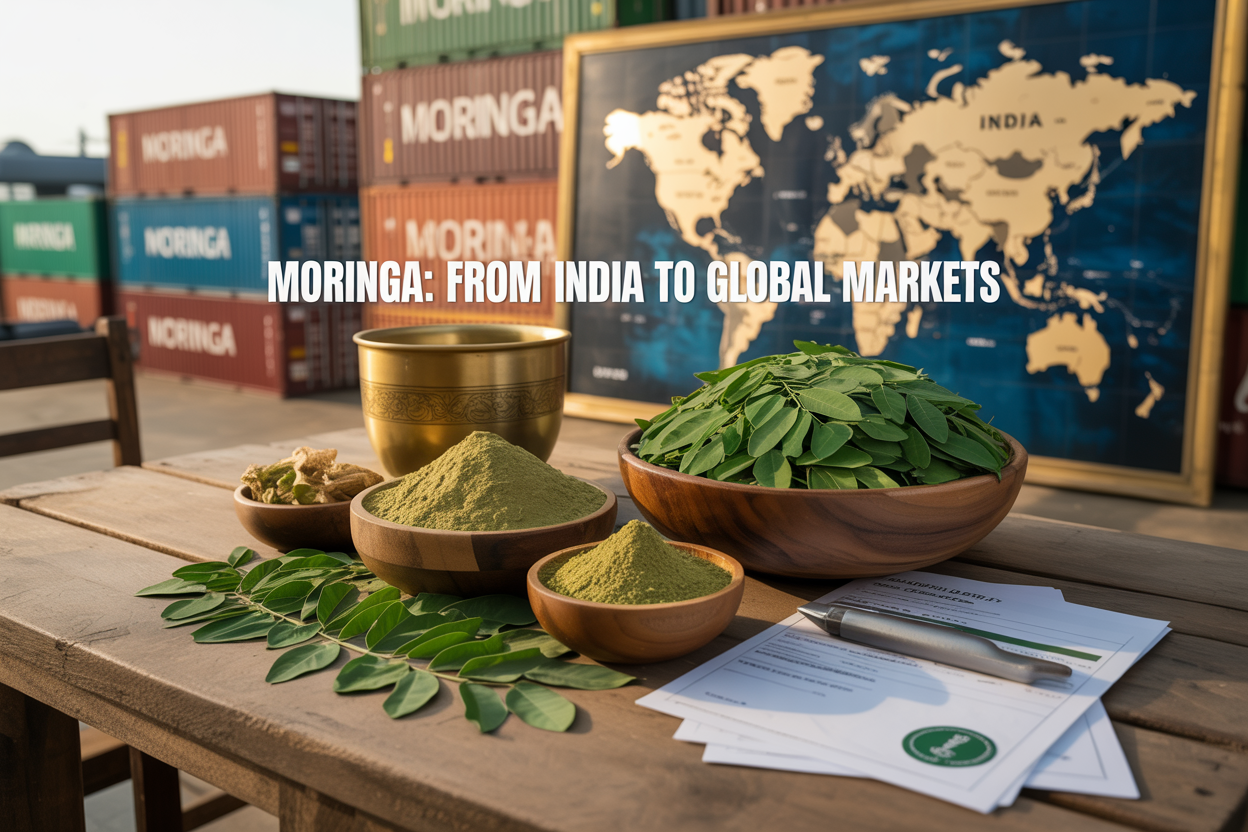
Moringa has exploded into a global superfood phenomenon, creating massive opportunities for importers ready to tap into this booming market. This comprehensive guide is designed for import businesses, distributors, and wholesale buyers who want to capitalize on the moringa powder import business and need insider knowledge about sourcing from the world's leading supplier.
India controls over 80% of global moringa production, making it the go-to destination for serious importers. But successful moringa sourcing India requires more than just finding a supplier – you need to understand the complex supply chain, navigate quality standards, and build relationships that protect your bottom line.
We'll walk you through India's dominant position in moringa global market trends and why this matters for your sourcing strategy. You'll discover how to identify reliable moringa wholesale suppliers who meet international standards and learn the essential Indian moringa certification requirements that separate legitimate suppliers from questionable ones. Finally, we'll cover proven moringa leaf sourcing strategies and moringa bulk import procedures that help importers avoid costly mistakes and maximize profits in this rapidly growing market.
Understanding Moringa's Global Market Explosion

Explosive Growth Statistics in Health Supplement Industry
The moringa market has transformed from a niche superfood into a mainstream powerhouse, with moringa global market trends showing remarkable expansion. Global moringa market revenues jumped from $1.2 billion in 2018 to $4.8 billion in 2023, representing a compound annual growth rate (CAGR) of 32%. North America leads consumption with 38% market share, followed by Europe at 29% and Asia-Pacific at 22%.
moringa powder import business opportunities have multiplied as retail sales surge across key markets:
| Region | 2023 Market Value | Growth Rate (2019-2023) |
|---|---|---|
| North America | $1.82 billion | 35% CAGR |
| Europe | $1.39 billion | 28% CAGR |
| Asia-Pacific | $1.06 billion | 41% CAGR |
| Latin America | $0.32 billion | 26% CAGR |
| Middle East & Africa | $0.21 billion | 38% CAGR |
Health supplement retailers report moringa products generating 3x higher profit margins compared to traditional vitamins, with premium organic moringa commanding retail prices between $25-45 per pound.
Key Consumer Demographics Driving Demand
Health-conscious millennials and Gen X consumers aged 28-52 represent 67% of moringa purchasers, with household incomes exceeding $75,000 annually. Female consumers account for 73% of purchases, particularly mothers seeking natural nutrition solutions for their families.
moringa wholesale suppliers report strongest demand from these consumer segments:
- Fitness enthusiasts (31% of buyers): Seeking plant-based protein alternatives
- Wellness-focused families (28% of buyers): Prioritizing organic, natural supplements
- Chronic condition management (22% of buyers): Diabetics and cardiovascular health support
- Anti-aging market (19% of buyers): Antioxidant-rich skincare and supplements
Geographic hotspots show concentrated demand in metropolitan areas with higher education levels and disposable income. California, New York, Texas, and Florida account for 52% of US moringa imports.
Premium Pricing Opportunities for Quality Products
moringa export quality standards create significant price differentiation in the marketplace. Certified organic moringa powder commands 40-60% premium pricing over conventional products, while specialized processing methods unlock even higher margins.
Premium product categories and their typical wholesale pricing include:
- Freeze-dried moringa leaf powder: $18-24 per kilogram
- Organic certified moringa powder: $14-19 per kilogram
- Cold-pressed moringa oil: $85-120 per kilogram
- Moringa capsules (retail-ready): $0.12-0.18 per capsule
- Moringa tea blends: $22-35 per kilogram
moringa sourcing India strategies focusing on premium grades yield substantially higher returns. Importers working directly with certified Indian suppliers report gross margins of 45-65%, compared to 25-35% for standard commodity grades.
Projected Market Size and Revenue Potential
Market analysts project the global moringa industry will reach $12.3 billion by 2028, driven by expanding applications in functional foods, cosmetics, and pharmaceutical sectors. moringa importers guide projections indicate annual growth rates will maintain 25-30% through 2027.
Revenue opportunities by product segment show:
| Product Category | 2028 Projected Value | Annual Growth Rate |
|---|---|---|
| Moringa Powder | $5.2 billion | 27% |
| Moringa Oil | $2.8 billion | 31% |
| Moringa Capsules | $2.1 billion | 24% |
| Moringa Tea | $1.3 billion | 22% |
| Cosmetic Applications | $0.9 billion | 35% |
moringa supply chain India capacity expansions suggest reliable supply availability to meet this growing demand. Indian exporters have invested over $180 million in processing infrastructure since 2022, with production capacity expected to triple by 2026.
Emerging markets in Southeast Asia and Eastern Europe present untapped opportunities, with early-mover importers positioned to capture significant market share as consumer awareness expands.
Why India Dominates as the Premier Moringa Source
Ideal Climate Conditions for Superior Leaf Quality
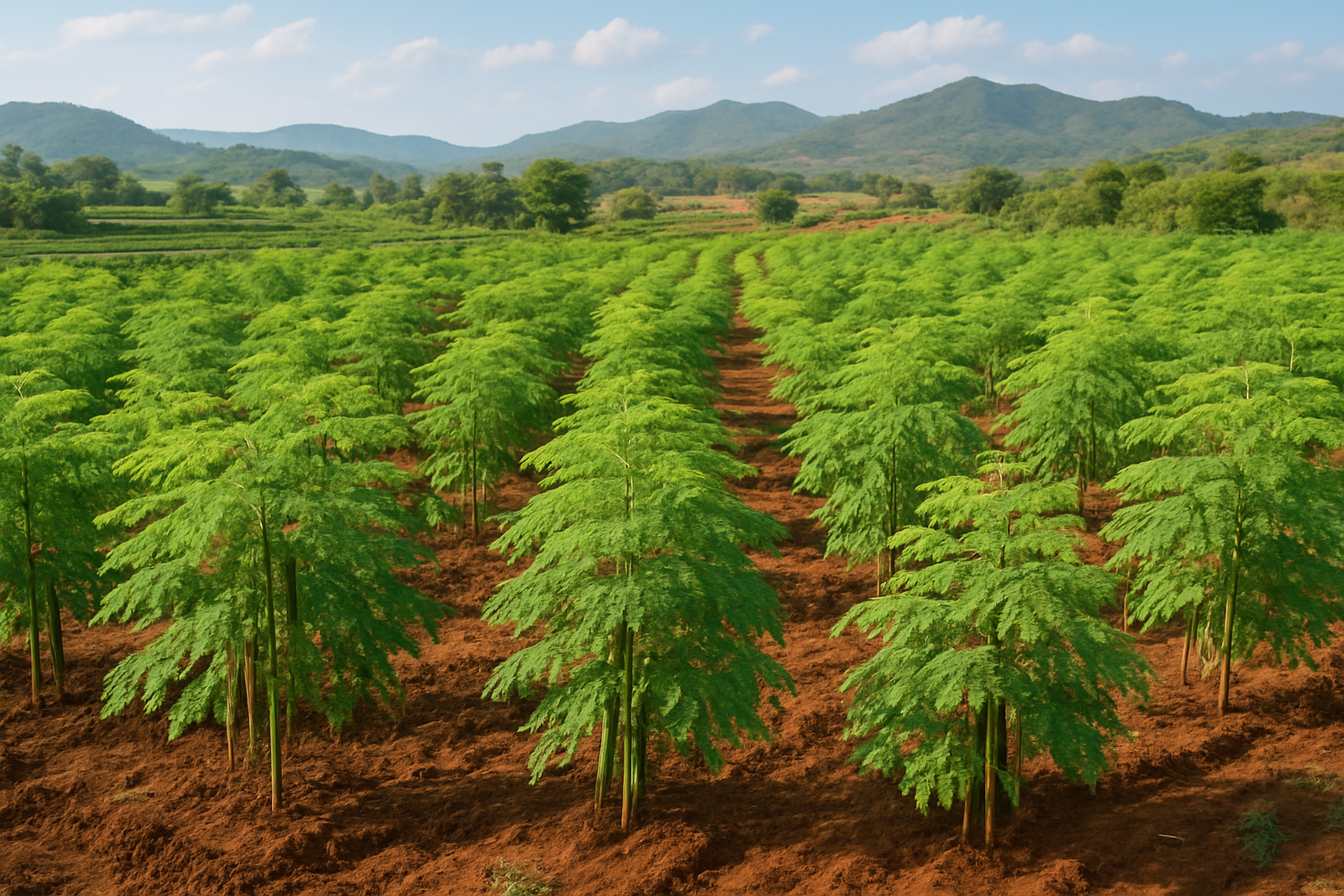
India's tropical and subtropical climate zones create perfect growing conditions for moringa trees, producing some of the world's highest-quality leaves. The country's diverse agro-climatic regions, particularly in states like Rajasthan, Gujarat, Tamil Nadu, and Karnataka, offer year-round sunshine and minimal rainfall variations that moringa thrives in.
The dry, arid conditions found in many Indian regions actually boost the concentration of nutrients in moringa leaves. When water is scarce, the plant responds by concentrating its vitamins, minerals, and antioxidants - creating leaves with significantly higher nutritional density compared to those grown in wetter climates.
Temperature consistency plays a huge role too. India's stable warm temperatures between 25-35°C allow for continuous harvesting throughout the year, unlike seasonal growing regions where production halts during winter months. This means moringa sourcing India operations can maintain steady supply chains without the typical agricultural seasonality constraints.
The natural stress conditions also enhance the development of bioactive compounds like glucosinolates and flavonoids, which are key selling points for health-conscious consumers in international markets.
Established Agricultural Infrastructure and Expertise
India's centuries-old agricultural heritage translates into deep expertise in moringa cultivation techniques passed down through generations. Farmers in traditional moringa-growing regions have refined their methods over decades, understanding exactly when to harvest for peak nutrient content and optimal leaf quality.
The country's extensive network of agricultural universities and research institutions continuously develops improved cultivation practices. Organizations like the Central Arid Zone Research Institute have dedicated moringa research programs that benefit the entire moringa supply chain India ecosystem.
Processing facilities across major growing states feature modern machinery specifically designed for moringa leaf drying, grinding, and packaging. These facilities understand the delicate balance required to preserve nutritional content while achieving the fine powder consistency that international markets demand.
India's agricultural infrastructure also includes established testing laboratories, cold storage facilities, and packaging centers that meet international standards. This comprehensive ecosystem means moringa wholesale suppliers can offer consistent quality and reliable delivery schedules that importers need for their business planning.
The farmer cooperative system allows small-scale growers to pool resources and knowledge, creating economies of scale that individual farmers couldn't achieve alone. This collective approach strengthens the overall supply chain reliability.
Cost-Effective Production Advantages
Labor costs in India's rural agricultural areas remain significantly lower than most other moringa-producing countries, creating substantial cost advantages for international buyers. The manual harvesting and sorting processes required for premium moringa leaves are economically viable in India's labor market structure.
Land costs in traditional growing regions are also competitive, allowing farmers to expand cultivation areas without prohibitive investment. This scalability means moringa importers guide considerations should factor in India's ability to meet growing demand without dramatic price increases.
The established supply chain infrastructure reduces logistics costs throughout the production process. From farm gates to processing facilities to export terminals, the streamlined systems minimize handling costs and reduce product loss during transportation.
India's domestic market for moringa products creates additional economies of scale. Local consumption helps absorb production costs, allowing exporters to offer more competitive pricing to international buyers compared to countries that rely solely on export markets.
| Cost Factor | India Advantage | Impact on Importers |
|---|---|---|
| Labor Costs | 60-70% lower than developed countries | Lower wholesale prices |
| Processing Infrastructure | Well-established facilities | Consistent quality at scale |
| Transportation | Efficient domestic networks | Reduced logistics costs |
| Raw Material | Abundant local supply | Price stability |
Government Support for Organic Farming Initiatives
The Indian government actively promotes organic moringa cultivation through various subsidy programs and certification support schemes. The National Mission for Sustainable Agriculture provides financial assistance to farmers transitioning to organic methods, directly benefiting moringa growers who want to meet international organic standards.
State governments in major producing regions offer additional incentives, including free soil testing, organic fertilizer subsidies, and technical training programs. These initiatives help ensure that moringa export quality standards align with the stringent organic requirements of importing countries.
The government's focus on agricultural exports has led to streamlined certification processes for organic products. The Agricultural and Processed Food Products Export Development Authority (APEDA) works directly with moringa exporters to facilitate Indian moringa certification requirements and ensure compliance with international standards.
Recent policy initiatives specifically target value-added agricultural exports, positioning moringa as a priority crop. This includes dedicated export promotion schemes, participation in international trade fairs, and bilateral trade agreements that reduce tariff barriers for Indian moringa products.
The Ministry of Agriculture's Paramparagat Krishi Vikas Yojana provides cluster-based organic farming support, creating geographical concentrations of certified organic moringa farms. This clustering approach benefits importers by providing access to large volumes of certified organic moringa from specific regions, simplifying the sourcing and traceability requirements.
Navigating India's Moringa Supply Chain Landscape
Identifying Reliable Farming Regions and Suppliers
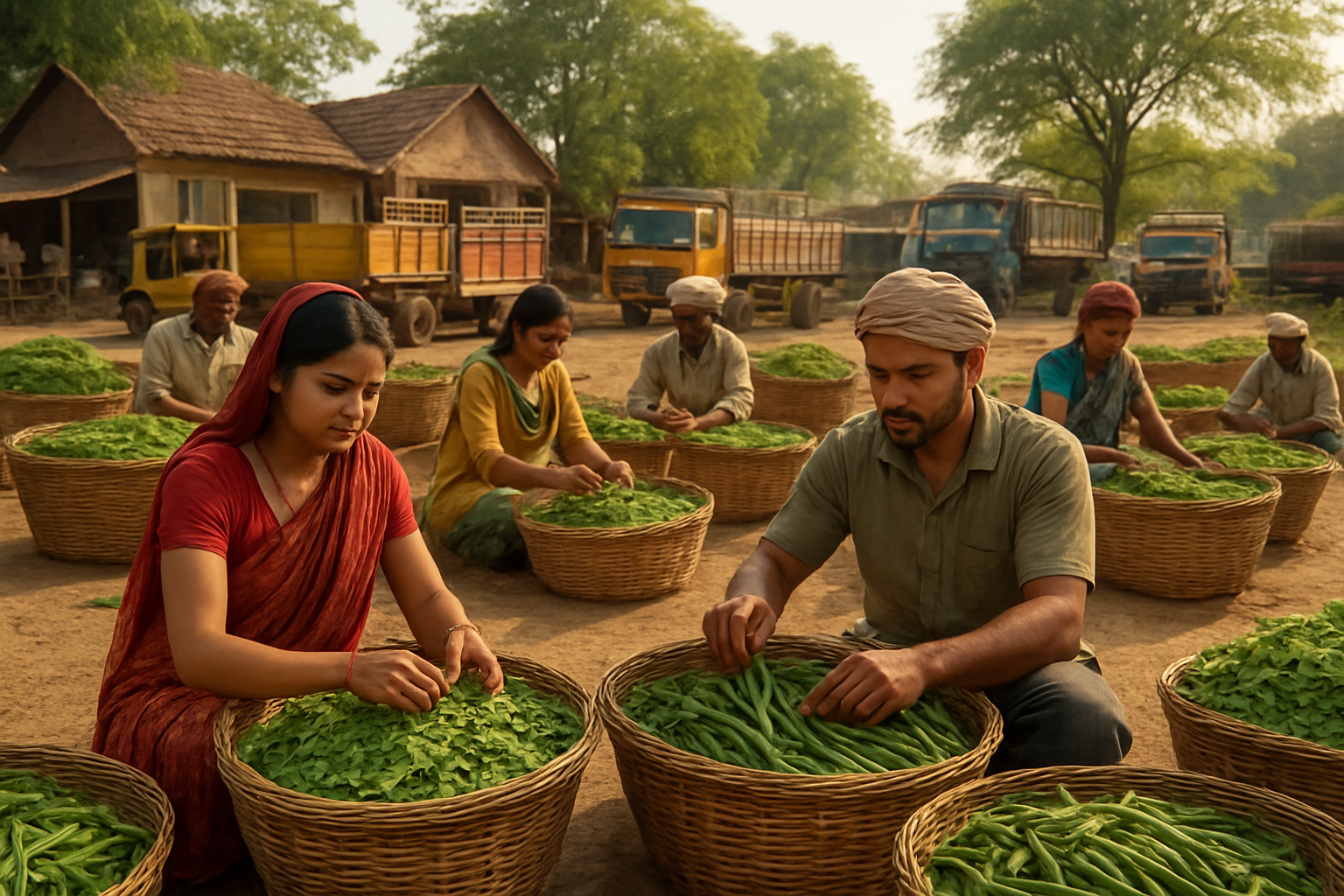
Rajasthan stands out as India's moringa powerhouse, producing over 40% of the country's total output. The state's arid climate and sandy soil create perfect growing conditions for moringa trees, which thrive in drought-like environments. Tamil Nadu follows closely behind, with its southern districts like Tiruchirappalli and Erode becoming major moringa sourcing India hubs for international buyers.
When evaluating moringa wholesale suppliers, focus on farms with established track records and proper documentation. The best suppliers maintain detailed harvest logs, soil testing reports, and processing facility certifications. Look for operations that have been running for at least 3-5 years – newer farms often struggle with consistency and may not understand international quality requirements.
Gujarat's Kutch region has emerged as another reliable source, particularly for organic moringa. Farmers here often work cooperatively, which can mean better pricing for bulk orders. However, verify each supplier's capacity before committing to large orders. Many smaller operations promise volumes they can't deliver consistently.
Direct relationships with farmer cooperatives often yield better results than working through multiple middlemen. The Moringa Farmers Producer Organizations (FPOs) in Andhra Pradesh and Karnataka offer excellent examples of organized supplier networks that can handle moringa export quality standards more effectively than individual farmers.
Understanding Seasonal Harvesting Cycles
Moringa's year-round growing capability makes it attractive, but peak harvest seasons significantly impact both quality and pricing. The primary harvest runs from October to March across most Indian growing regions, when cooler temperatures produce the highest concentration of nutrients in leaves.
During monsoon months (June to September), leaf quality drops noticeably due to increased moisture content and diluted nutrient profiles. Smart importers adjust their moringa leaf sourcing strategies to avoid these periods or negotiate lower prices for acceptable but not premium-grade products.
The secondary harvest period (April to June) offers moderate quality at competitive prices. Many experienced moringa importers guide their procurement schedules around these windows to maximize both quality and cost efficiency.
Regional variations add complexity to timing decisions. Southern states like Tamil Nadu experience different monsoon patterns compared to northern regions, creating opportunities for continuous sourcing if you work with suppliers across multiple states.
Pod harvesting follows different cycles, with peak periods from December to April. Seed production timing affects leaf quality on the same trees, so coordinate with suppliers who plan their harvesting to optimize for your specific product needs.
Quality Variations Between Different Growing Areas
Soil composition dramatically affects moringa's nutritional profile and market value. Rajasthan's mineral-rich desert soils produce leaves with higher protein content compared to coastal regions, making them preferred for protein powder applications. The alkaline soil conditions naturally boost certain amino acid concentrations.
Tamil Nadu's volcanic soil regions yield moringa with excellent color retention – important for maintaining the vibrant green appearance that consumers expect in dried leaf products. These areas also tend to produce more consistent moisture levels, reducing processing complications.
Altitude plays a role too. Higher elevation farms in Karnataka and Himachal Pradesh grow slower but develop denser nutrient concentrations. While yields are lower, the premium quality often justifies higher prices for specialized health products.
Water source affects taste profiles significantly. Groundwater-irrigated farms often produce moringa with subtle mineral notes, while river-irrigated regions yield milder flavors. For moringa powder import business targeting consumer markets, these taste differences can impact product acceptance.
| Growing Region | Key Quality Characteristics | Best Use Applications |
|---|---|---|
| Rajasthan | High protein, mineral content | Protein powders, supplements |
| Tamil Nadu | Excellent color retention | Dried leaves, teas |
| Karnataka (high altitude) | Dense nutrients, premium quality | High-end health products |
| Gujarat | Organic certification rates | Certified organic markets |
Processing infrastructure varies significantly between regions. States with established moringa supply chain India networks typically offer better post-harvest handling, while emerging regions may lack proper drying facilities or storage capabilities.
Essential Quality Standards and Certifications
Organic Certification Requirements and Benefits
When sourcing moringa from India, organic certification stands as your golden ticket to premium markets worldwide. The primary certifications you'll encounter include NPOP (National Programme for Organic Production) for domestic standards, USDA Organic for American markets, and EU Organic for European distribution. Each certification demands strict adherence to chemical-free farming practices, with suppliers maintaining detailed records of soil health, seed sources, and pest management strategies.
The benefits extend beyond just market access. Organic moringa commands 30-40% higher prices compared to conventional products, while health-conscious consumers actively seek certified options. Indian suppliers with organic credentials typically demonstrate better agricultural practices, resulting in more consistent quality and longer shelf life for your imported products.
Securing reliable organic documentation involves verifying the certification body's accreditation, checking certificate validity dates, and requesting annual inspection reports. Smart importers establish relationships with suppliers who maintain multiple organic certifications, ensuring flexibility across different target markets.
International Food Safety Standards Compliance
Food safety compliance separates successful moringa importers from those facing costly rejections at customs. The most critical standards include HACCP (Hazard Analysis Critical Control Points), ISO 22000, and country-specific requirements like FDA regulations for US imports or EFSA standards for European markets.
Indian moringa suppliers serious about export maintain comprehensive food safety management systems covering every stage from harvesting to packaging. These systems address microbial contamination risks, heavy metal content, pesticide residues, and allergen management. Look for suppliers who conduct regular internal audits and maintain detailed batch records.
Key compliance indicators include:
- Clean facility certifications and regular third-party audits
- Temperature-controlled storage and processing areas
- Documented cleaning procedures and pest control programs
- Employee hygiene protocols and training records
- Traceability systems linking final products to source farms
Third-Party Testing for Nutritional Potency
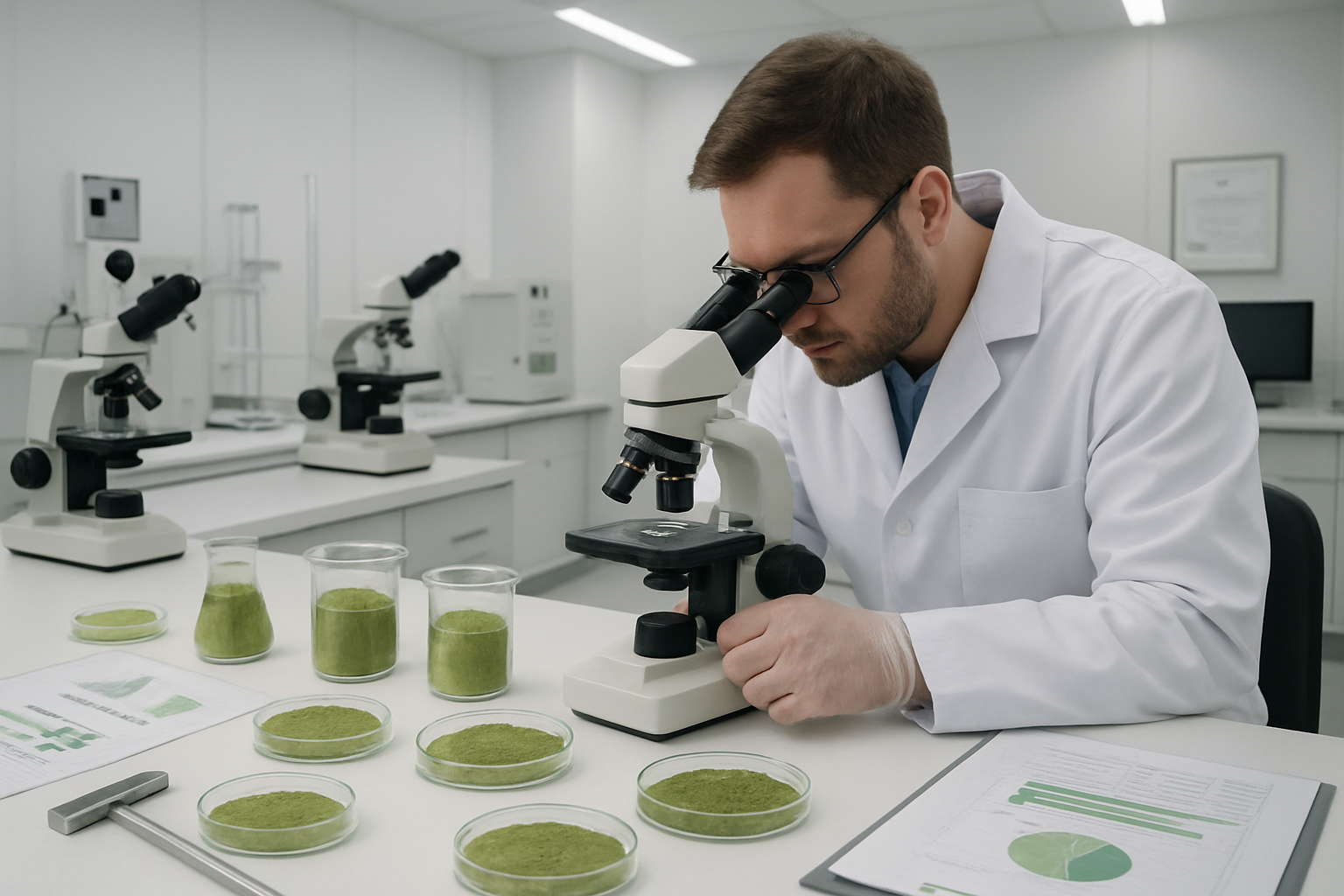
Moringa's reputation as a superfood hinges on its nutritional profile, making third-party testing non-negotiable for serious importers. Independent laboratories verify protein content, vitamin levels, mineral concentrations, and antioxidant capacity while screening for contaminants like aflatoxins, heavy metals, and microbiological pathogens.
Reputable Indian suppliers partner with accredited testing laboratories such as SGS, Intertek, or local NABL-accredited facilities. Request Certificate of Analysis (COA) for each batch, ensuring tests cover your target market's requirements. For instance, European markets demand comprehensive aflatoxin testing, while US customers focus heavily on microbiological safety.
Testing frequency varies by product type and risk assessment. Moringa powder requires more frequent testing than whole dried leaves due to processing complexity. Establish clear testing protocols with your supplier, specifying which parameters to test, acceptable limits, and sampling procedures.
Packaging and Storage Standards for Export
Proper packaging protects moringa's delicate nutritional compounds during long-distance shipping while meeting international trade requirements. Food-grade packaging materials prevent moisture absorption, oxidation, and contamination that can destroy product quality and shelf life.
Standard export packaging includes multi-layer laminated pouches with nitrogen flushing for moringa powder, while whole dried leaves often ship in food-grade polypropylene bags with moisture barrier properties. Bulk quantities require specialized containers with desiccant packets and proper ventilation systems.
Storage protocols demand climate-controlled environments maintaining temperatures below 25°C with relative humidity under 60%. Leading Indian exporters invest in modern warehouses with automated monitoring systems, ensuring product integrity from production to shipment. Documentation should include storage condition logs, packaging material certificates, and shipping container inspection reports.
Smart packaging strategies also consider your target market's retail requirements, with many suppliers offering private label packaging services that comply with local labeling regulations and consumer preferences.
Strategic Sourcing Best Practices for Maximum Profit

Building Long-Term Partnerships with Trusted Suppliers
Success in moringa sourcing India depends heavily on cultivating strong relationships with reliable suppliers rather than constantly jumping between vendors for short-term savings. The best importers understand that consistent quality, reliable delivery schedules, and competitive pricing come from suppliers who view your business as a long-term investment.
Start by thoroughly vetting potential partners through on-site visits or virtual facility tours. Look for suppliers who maintain proper storage conditions, follow Good Manufacturing Practices (GMP), and demonstrate transparency about their farming sources. A trustworthy supplier will gladly share certifications, lab test results, and traceability documentation without hesitation.
Communication patterns reveal a lot about supplier reliability. Partners who respond promptly to inquiries, provide regular updates on order status, and proactively communicate potential issues demonstrate professional standards. These suppliers often offer valuable market insights about seasonal pricing fluctuations, crop conditions, and emerging regulatory requirements.
Creating mutual value strengthens these partnerships significantly. Consider offering longer-term contracts in exchange for better pricing or priority allocation during tight supply periods. Some importers provide advance payments to help suppliers purchase better equipment or expand capacity, creating a win-win scenario that locks in competitive advantages.
Negotiating Volume Discounts and Payment Terms
Volume purchasing power gives importers significant leverage in price negotiations, but timing and approach matter enormously. The best deals typically emerge during harvest seasons when suppliers have fresh inventory and want to move products quickly. Understanding India's moringa harvest cycles helps you plan purchases strategically.
Most Indian moringa wholesale suppliers offer tiered pricing structures based on order quantities. A typical structure might look like:
| Order Volume (MT) | Discount Rate | Price per kg |
|---|---|---|
| 1-5 MT | Base Price | $4.50 |
| 5-10 MT | 5% Discount | $4.28 |
| 10-25 MT | 8% Discount | $4.14 |
| 25+ MT | 12% Discount | $3.96 |
Payment terms significantly impact your cash flow and negotiating position. Many suppliers prefer advance payments for better pricing, while others offer credit terms for established customers. Common arrangements include:
- 30% advance, 70% against Bill of Lading
- Letter of Credit (preferred for large orders)
- 15-30 day payment terms for trusted buyers
- Early payment discounts (2-3% for payment within 10 days)
Don't overlook non-price concessions during negotiations. Smart importers often secure value through extended payment terms, flexible delivery schedules, upgraded packaging, or inclusion of quality certificates at no extra cost.
Managing Logistics and Shipping Considerations
Efficient logistics management can make or break your moringa import business profitability. Indian ports like Mumbai, Chennai, and Cochin handle most moringa exports, but choosing the right port depends on your supplier's location and your destination requirements.
Container selection impacts both cost and product quality. Most moringa powder ships in 20-foot containers holding approximately 12-15 metric tons, while moringa leaves might require 40-foot containers for better space utilization. Food-grade containers with proper lining prevent contamination and moisture absorption during transit.
Shipping schedules vary dramatically between carriers and routes. Express services reach major ports within 15-20 days but cost 30-40% more than regular shipping that takes 25-35 days. Budget enough time for customs clearance, which can add 3-7 days depending on documentation completeness and inspection requirements.
Working with experienced freight forwarders who understand moringa-specific requirements saves time and reduces complications. They handle documentation, coordinate with customs brokers, and manage temperature-controlled shipping when needed. Many also provide cargo insurance and tracking services that give peace of mind during transit.
Documentation requirements include commercial invoices, packing lists, certificates of origin, phytosanitary certificates, and any required quality certifications. Missing or incorrect paperwork causes expensive delays and storage charges at destination ports.
Diversifying Supply Sources to Minimize Risk
Relying on a single supplier creates unnecessary vulnerability in your moringa supply chain India operations. Weather events, regulatory changes, or supplier-specific problems can disrupt your entire business if you haven't diversified your sourcing network.
Smart importers typically work with 2-3 primary suppliers in different Indian regions. Rajasthan, Tamil Nadu, Karnataka, and Odisha each have distinct growing seasons and risk profiles. This geographic diversification helps maintain supply continuity when regional issues arise.
Supplier diversification goes beyond geography. Consider mixing large established exporters with smaller specialized farms to balance reliability with competitive pricing. Larger suppliers offer consistent quality and capacity but might lack flexibility, while smaller operations often provide better pricing and custom processing options.
Quality diversification also makes sense for different market segments. Premium organic moringa powder commands higher prices but has stricter certification requirements, while conventional moringa serves price-sensitive customers. Having suppliers for both categories expands your market opportunities.
Risk monitoring systems help you stay ahead of potential supply disruptions. Track weather patterns in key growing regions, monitor political and economic developments, and maintain regular communication with backup suppliers. Some importers keep emergency inventory from secondary suppliers to bridge any gaps in primary supply chains.
Building these relationships takes time, so start developing backup sources before you need them. Even small trial orders help establish communications and quality standards with potential future partners.
Overcoming Common Import Challenges

Documentation Requirements for Smooth Customs Clearance
Getting your moringa imports from India through customs without delays requires precise documentation. The most critical document is the Certificate of Origin, which proves your moringa products originate from India and qualify for preferential duty rates under trade agreements. Without this, you'll face higher tariffs that can eat into your profit margins.
Your Indian moringa wholesale suppliers must provide a commercial invoice with detailed product descriptions, including botanical names (Moringa oleifera), HS codes (typically 1211.90.90 for dried moringa leaves), and accurate weight measurements. Any discrepancies between invoice values and actual shipment contents can trigger customs inspections and delays.
Health certificates from Indian authorities are mandatory for moringa powder import business operations. The Phytosanitary Certificate confirms your products are free from pests and diseases, while Food Safety certificates verify compliance with importing country standards. Many importers underestimate the importance of these certificates until their shipments get held at ports.
Banking documentation including Letters of Credit or payment confirmations helps establish legitimacy with customs officials. Keep copies of all previous import declarations - this creates a paper trail that demonstrates your established moringa supply chain India relationships and consistent import patterns.
Pro tip: Work with experienced customs brokers who understand moringa bulk import procedures. They can pre-clear documentation issues before your shipments arrive, saving weeks of potential delays and storage costs at ports.
Managing Quality Consistency Across Shipments
Quality variations between shipments represent one of the biggest headaches for moringa importers. Indian suppliers often work with multiple farmers, and each growing region produces slightly different product characteristics. Even the same farm can yield varying quality based on harvest timing and processing methods.
Establish clear quality specifications with your moringa wholesale suppliers before placing orders. Create detailed spec sheets covering moisture content (typically 8-12% for dried leaves), color parameters, particle size for powders, and acceptable levels of foreign matter. Many importers skip this step and later struggle with inconsistent products that customers reject.
Implement a three-tier quality control system: pre-shipment inspection at the supplier's facility, third-party testing during transit, and receiving inspection at your warehouse. This catches quality issues early rather than discovering problems after products reach your customers.
Seasonal variations significantly impact moringa quality. Monsoon-season harvests typically have higher moisture content, while summer harvests may show more brittle leaves. Document these patterns and adjust your specifications accordingly. Smart importers actually prefer working with suppliers who harvest during optimal seasons rather than those offering year-round availability at inconsistent quality levels.
Request samples from each production batch before full shipment approval. This allows you to maintain quality standards while building a database of acceptable variation ranges for different seasons and growing regions.
Addressing Seasonal Availability Issues
Moringa sourcing India follows distinct seasonal patterns that directly impact your import planning. Peak harvest season runs from October through March when weather conditions produce the highest quality leaves. During monsoon months (June-September), many suppliers reduce production due to higher moisture content and potential contamination risks.
Create a forward-buying strategy that stocks inventory during peak seasons. This approach requires larger upfront investments but guarantees consistent supply throughout the year at stable pricing. Many successful importers purchase 6-8 months of inventory during peak season rather than scrambling for products during lean months.
Diversify your supplier base across different Indian states to offset regional seasonal variations. While Rajasthan and Gujarat experience peak seasons simultaneously, southern states like Tamil Nadu and Karnataka may have different harvest timing. This geographic diversification helps maintain steady supply flows.
Build strong relationships with suppliers who offer proper storage facilities. Quality suppliers invest in climate-controlled warehouses that preserve moringa quality during off-seasons. This enables them to supply consistent products year-round, though expect premium pricing for off-season availability.
Consider alternative product forms during challenging seasons. When fresh moringa leaves become scarce, pivot to moringa seeds or oil products that have longer shelf stability and different harvest cycles. This flexibility prevents complete supply disruptions while maintaining customer relationships.
Monitor Indian weather patterns and agricultural reports to anticipate supply challenges. Early awareness of potential shortages allows you to adjust pricing strategies and communicate proactively with customers about possible delivery delays or temporary product unavailability.
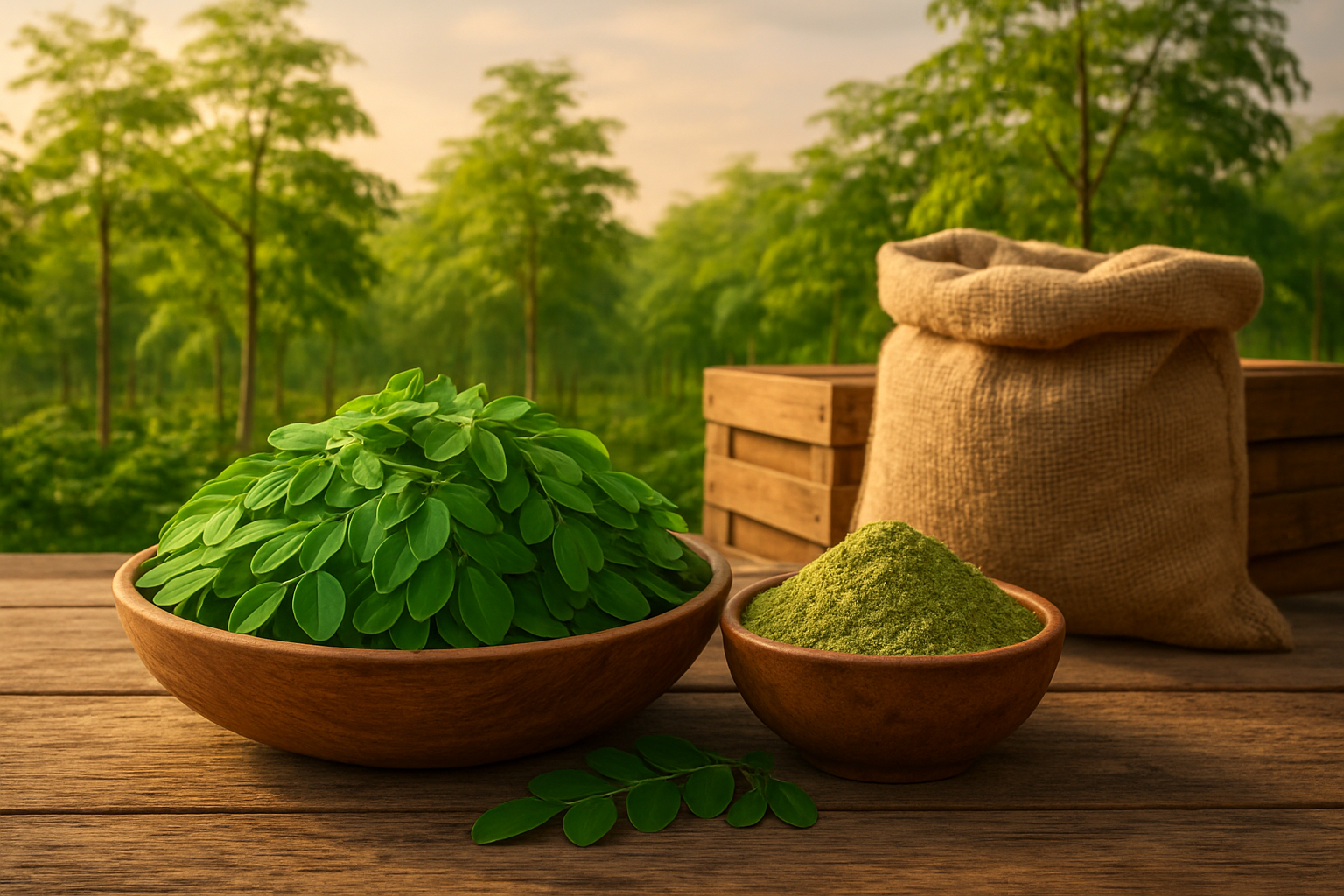
Moringa has transformed from a little-known "miracle tree" into a global health and wellness powerhouse, creating massive opportunities for savvy importers. India stands out as the clear leader in this space, offering unmatched quality, competitive pricing, and reliable supply chains that can support businesses of any size. The key to success lies in understanding the local market dynamics, building strong relationships with verified suppliers, and staying on top of quality certifications that meet international standards.
Smart importers who enter this market with proper preparation will find themselves at the forefront of one of the fastest-growing wellness trends. Focus on establishing clear quality benchmarks, developing robust supplier relationships, and creating efficient logistics processes. The moringa boom isn't slowing down anytime soon, and those who act now while armed with the right knowledge and strategies will be positioned to capture significant market share in this lucrative industry.